 how-to
Hiring a Professional Landscape Designer: 7 Essential Tips
Table of Contents
- Define Your Project Scope Before You Hire
- Landscape Designer vs. Landscape Architect vs. Contractor
- Landscape Design Consultation Questions You Must Ask
- Red Flags When Hiring a Landscape Designer
- What a Realistic Landscape Design Project Timeline Looks Like
- How to Review Portfolios and Check Credentials
- Budgeting for Design Fees and Installation Costs
- Frequently Asked Questions
Last Updated: September 29, 2026
Define Your Project Scope Before You Hire
The most common mistake homeowners make when hiring a professional landscape designer is skipping the scope conversation. A landscape designer is a trained professional who plans outdoor spaces by combining plant knowledge, hardscape layout, and site conditions into a buildable plan. Without a clear scope, you'll get bids you can't compare and designs that don't match your life.
Start by answering three questions:
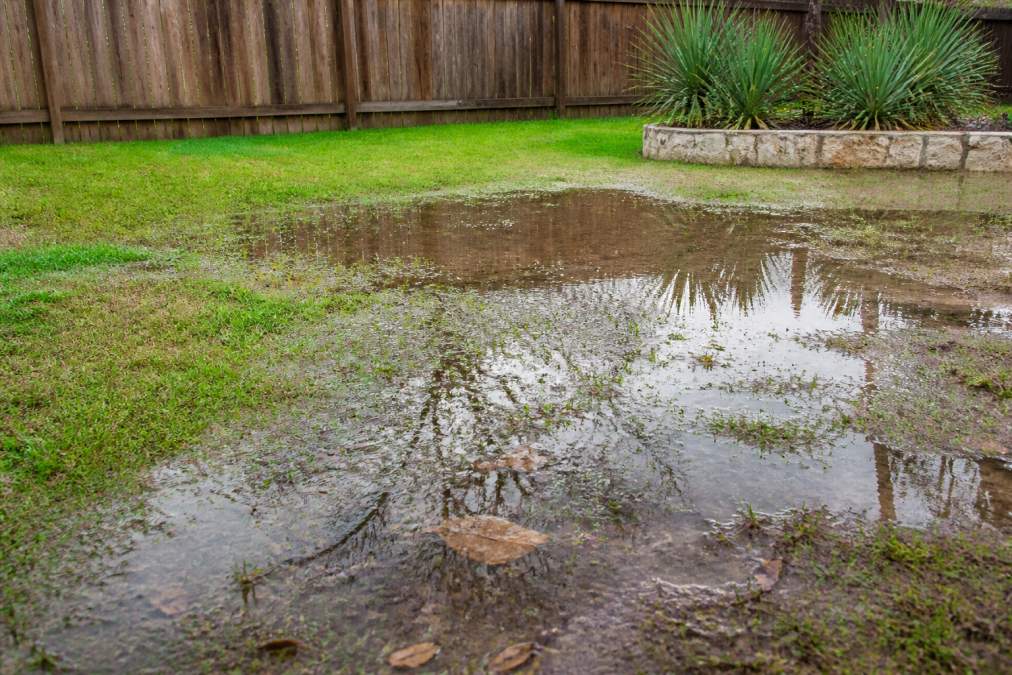
- What problem are you solving? (drainage, curb appeal, outdoor living)
- What's your rough budget range?
- How much upkeep do you want long term?
Landscape Designer vs. Landscape Architect vs. Contractor
These three roles overlap, but they are not interchangeable. A landscape designer focuses on planting plans, hardscape layout, and outdoor living spaces for residential projects. A landscape architect holds a state license and typically handles larger commercial or structural projects. A landscape contractor builds what someone else designs.
Here's how to tell which one you need:
| Role | Best For | Typical Scope |
|---|---|---|
| Landscape designer | Residential yards, gardens, xeriscaping | Planting plans, hardscape layout, project management |
| Landscape architect | Commercial sites, grading, structures | Licensed design, permitting, structural drawings |
| Landscape contractor | Installation only | Building from an existing plan |
Landscape Design Consultation Questions You Must Ask
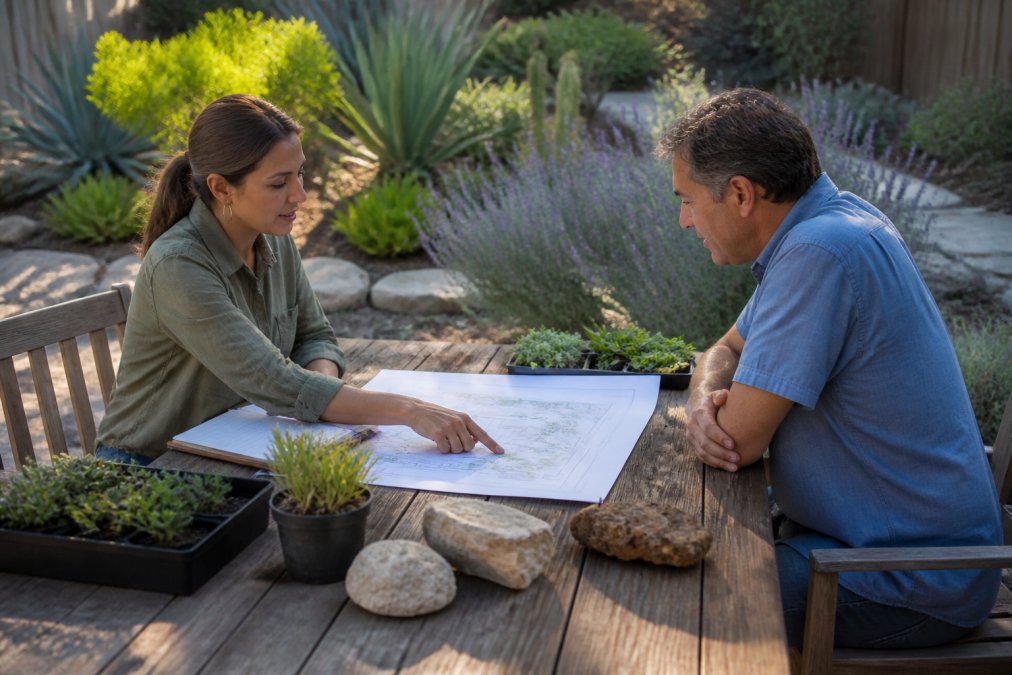
The initial consultation is your best chance to separate real professionals from sales pitches. A landscape design consultation is a working session where the designer reviews your site, asks about your goals, and outlines how they'd approach the project. Come prepared with questions, and take notes on the answers.
Questions About Process and Communication
- Who is my main point of contact during the project?
- How often will you send updates, and in what format?
- How many revision rounds are included in the design fee?
- What happens if I want changes after installation starts?
Questions About Plants, Materials, and Maintenance
- Which plants in this plan are native or well-adapted to this area?
- How much water will this design need once established?
- What does the first year of maintenance look like?
- Can you show a plant palette with photos of each species?
Red Flags When Hiring a Landscape Designer
Watch for these warning signs before you sign anything. Red flags when hiring a landscape designer usually show up in the first two conversations, not after you've paid a deposit.
- No written contract or scope document
- Pressure to pay a large deposit upfront
- No portfolio of completed local projects
- Unwillingness to provide references
- Designs that ignore your soil, drainage, or sun exposure
- No discussion of permitting or zoning regulations
What a Realistic Landscape Design Project Timeline Looks Like
Most residential landscape design projects take 7 to 18 weeks from first meeting to finished installation. The landscape design project timeline depends on project size, permitting requirements, and how fast you make decisions.
Phase 1: Discovery and Site Analysis (1-2 Weeks)
The designer visits your property, takes measurements, and runs a site analysis. This covers sun patterns, soil, drainage, and existing plants. You'll discuss goals and budget at this stage.
Phase 2: Design and Revisions (2-4 Weeks)
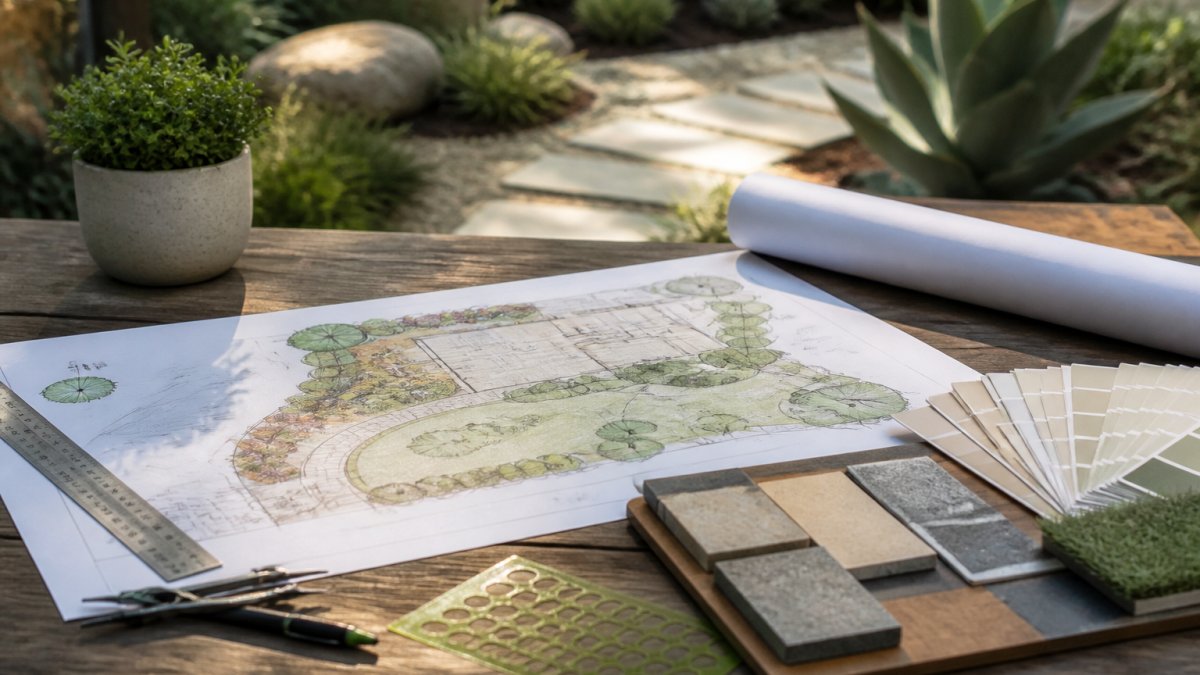
You receive a concept plan, then a detailed design with plant selections and hardscape materials. Expect one or two revision rounds. Ask for a 3D rendering or digital walkthrough if visualization helps you decide.
Phase 3: Permitting and Installation (4-12 Weeks)
If your project needs permits, this phase can stretch longer. Installation itself usually runs one to three weeks for a typical residential yard, longer for large hardscape work.
How to Review Portfolios and Check Credentials
A portfolio review tells you more than any sales pitch, if you know how to read it. Most homeowners scan for pretty photos. Instead, look for evidence of process.
How to Read a Portfolio Like an Editor
Ask to see three to five completed projects that match your yard's size, slope, and style. Then ask these questions about each one:
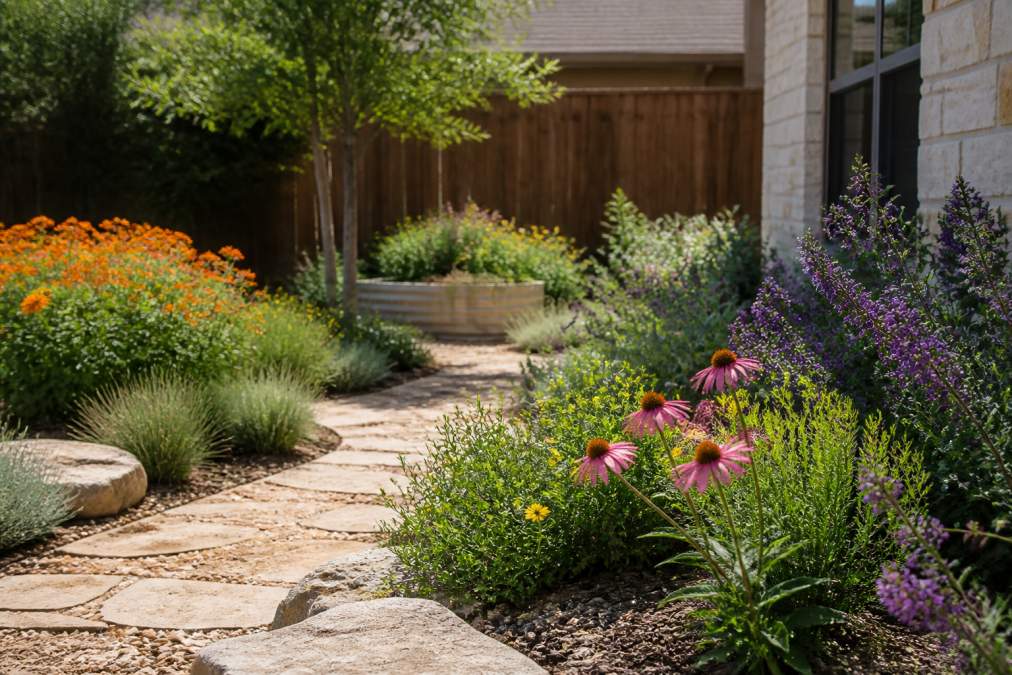
- How old is this project? A yard photographed at installation looks nothing like the same yard three years later. Ask for follow-up photos of the same property.
- What was the site like before? Before-and-after pairs reveal how much of the result came from design versus a flat, easy lot.
- What problem did this design solve? Drainage, shade, privacy, curb appeal. A designer who can narrate the problem behind each project is designing, not decorating.
- Can I visit one? A designer with real local work will arrange a walkthrough. Hesitation here is a signal.
Credentials: What to Verify and How
Credentials fall into three buckets, and they are not equal:
- Licensing. Landscape architecture is licensed at the state level; landscape design generally is not. If your project involves grading, retaining walls, or structural work, confirm who is licensed to stamp the drawings.
- Certification. Trade organizations offer voluntary certifications that require exams and continuing education. Certification is not a license, but it signals a baseline of professional commitment. Ask which body issued it and when it was last renewed.
- Insurance. Ask for a certificate of general liability and, if the designer employs a crew, workers' compensation. Call the insurer to confirm the policy is active. This takes five minutes and protects you from a lien or lawsuit if someone is injured on your property.
Reference Checks That Actually Work
Don't ask for references, ask for references from projects finished at least a year ago. Recent clients are still in the honeymoon phase. One-year clients have lived with the design through a full season cycle.
When you call, ask three questions:
- Did the designer stay on budget, and if not, why?
- How did they handle problems after installation?
- Would you hire them again?
The Maintenance Test
Ask each finalist how they'd maintain the yard they're proposing. A designer who knows local climate patterns, water restrictions, and which plants thrive versus survive will answer specifically. A designer who says "low maintenance" without naming species is guessing. This single question separates designers who plan for year five from designers who plan for photo day.
Budgeting for Design Fees and Installation Costs
Landscape design fees usually come in one of three structures, and each shifts risk differently:
- Flat fee, priced per project. Best when your scope is locked. You know the number before work starts, but change orders after the fact are billed separately.
- Hourly, billed against time. Best for small or phased projects. You keep flexibility, but the final number is unknown until the work is done.
- Percentage of project, typically a share of the total installed cost. Best for large builds. The designer's incentive aligns with the build, but your design fee rises as you upgrade materials.
Where the Money Actually Goes
Installation budgets split across five buckets: design, hardscape, softscape, irrigation, and drainage. The split varies wildly by site, but a common pattern is that hardscape and drainage consume the largest share on sloped or problem yards, while softscape dominates on flat, plant-focused projects. Ask each bidder to itemize by bucket so you can compare line by line instead of staring at one lump sum.
Two line items homeowners routinely forget:
- Site access and haul-away. If a crew can't get equipment to the backyard, labor hours climb. Narrow gates, steep grades, and fence removal all add cost.
- Soil amendment and grading. New plants fail in bad soil. If the bid doesn't mention soil prep, ask whether it's included.
The Long-Term Cost Nobody Budgets For
Design fees and installation are the visible cost. Maintenance is the invisible one. Before you sign, ask the designer to estimate annual upkeep for the mature version of the plan, not the day-one version. A design full of fast-growing shrubs and high-water turf looks great in year one and expensive by year three. A design built around climate-adapted plants and drip irrigation typically costs less to maintain and survives drought restrictions better.
Who Owns the Plan After Design
One budget question most guides skip: what happens after the design is finished? Some designers hand off a plan set and walk away. Others oversee installation, coordinate contractors, and inspect the work. Oversight usually costs more upfront but prevents costly installation mistakes, a plan is only as good as its execution.
Frequently Asked Questions
What are red flags when hiring a landscape designer?
Watch for designers who won't provide a written contract, can't show a portfolio of completed local projects, or pressure you to sign immediately. Avoid anyone who dismisses your drainage or soil concerns, gives vague answers about licensing and insurance, or promises a full installation without conducting a site analysis first. A qualified designer will welcome questions and provide references you can actually call.
What should I ask a landscape designer during a consultation?
Ask about their experience with your specific soil and drainage conditions, whether they handle permitting for hardscape or irrigation work, and how they communicate during the project. Request examples of native plant palettes they've used and ask how the design will reduce your water bill over time. Also clarify who manages installation, how revisions are handled, and what post-design support they offer after the project ends.
How long does a landscape design project take from start to finish?
Most residential projects take 7 to 18 weeks total. Discovery and site analysis usually take 1 to 2 weeks, design and revisions another 2 to 4 weeks, and permitting plus installation 4 to 12 weeks depending on scope and material availability. Complex hardscape work, irrigation system installation, or projects requiring zoning approval can extend the landscape design project timeline further. Ask your designer for a phase-by-phase schedule in writing.
How do I know if a landscape designer is qualified for my project?
Check for professional certification, proof of liability insurance, and a portfolio of projects similar to yours in size and style. Ask how many years they've worked in your region and whether they understand local soil, drainage, and native plant requirements. A designer with deep local experience will discuss site analysis, master plan development, and maintenance needs without prompting, and they'll provide client references you can contact directly.