 comparison
Cost of Professional Landscape Design in San Antonio
Table of Contents
- What Drives the Cost of Professional Landscape Design in San Antonio
- Landscape Design Consultation Fees: What to Expect
- Xeriscaping Installation Costs and Native Plant Savings
- Landscape Design Project Timeline: From Plan to Installation
- How to Budget for Your Landscape Design Project
- Permitting, HOA Fees, and ROI: What Competitors Miss
- Conclusion: Your Next Step to a Beautiful, Water-Smart Yard
- Frequently Asked Questions
Last Updated: September 21, 2026
What Drives the Cost of Professional Landscape Design in San Antonio
The landscape design cost in San Antonio depends on four main variables: the size of your yard, how much hardscaping you want, the condition of your soil and drainage, and whether you need a full master plan or a simple planting refresh. Because every property is different, most designers quote per project rather than per square foot. At Lawnscapingsa.com, we have 18 years of experience building Texas landscapes, and the pattern is consistent: the design fee is rarely the biggest line item. Installation is.
- Project scope and square footage. A courtyard planting plan and a full-acre redesign are different jobs.
- Hardscaping versus softscaping. Flagstone patios, paver walkways, and retaining walls cost far more per square foot than beds and turf.
- Grading and excavation. Yards that slope toward the house usually need drainage solutions before anything pretty goes in.
- Plant selection. Mature specimen trees and large native shrubs cost more than smaller container stock.
- Site analysis and access. Tight gates and steep terrain slow crews down, and labor is billed by time.
Landscape Design Consultation Fees: What to Expect
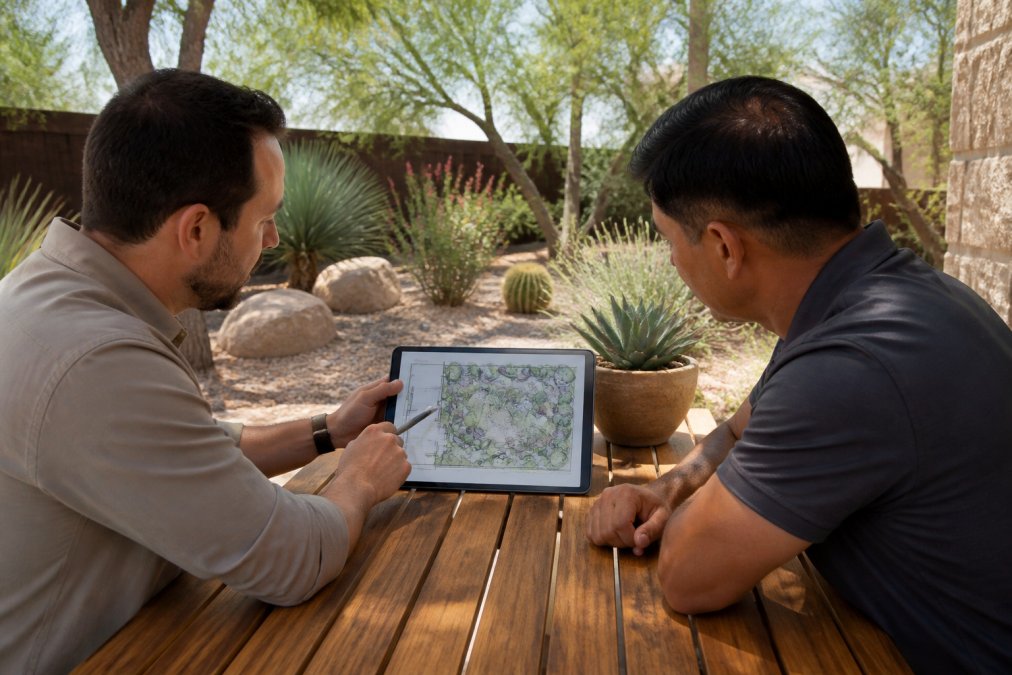
Landscape design consultation fees vary by the depth of the service. Some firms charge a flat rate for a walkthrough and a written concept. Others bill an hourly consultation fee and credit it toward the project if you hire them. A third model bundles the design into the installation contract and does not charge separately.
Most homeowners encounter one of three structures:
| Fee Structure | How It Works | Best For |
|---|---|---|
| Flat rate pricing | One set fee for a concept or full plan | Buyers who want cost certainty up front |
| Hourly consultation fee | Billed per hour, sometimes credited back | Small scopes and second opinions |
| Bundled into installation | No separate design charge | Full design-build projects |
Xeriscaping Installation Costs and Native Plant Savings
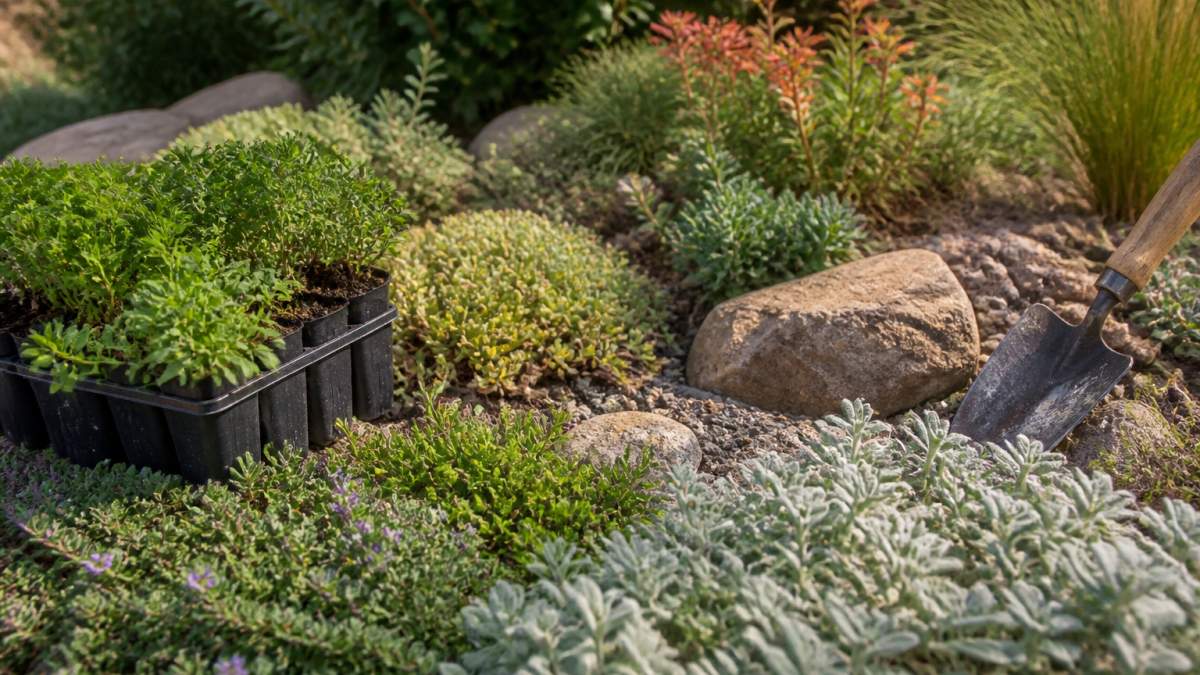
Xeriscaping installation costs are usually lower over time than a traditional lawn, but the upfront number can surprise people. The savings come from three places: less irrigation infrastructure, lower water use, and plants that survive without replacement.
Landscape Design Project Timeline: From Plan to Installation
A landscape design project timeline typically runs from a few weeks for a planting plan to several months for a full design-build with hardscaping. The design phase is the short part. Permitting, material lead times, and weather drive the rest.
Here is how a typical project moves:
- Consultation and site analysis (1-2 weeks). We walk the property, check soil, slope, sun exposure, and existing irrigation.
- Concept and master plan (2-4 weeks). You review a layout, plant palette, and hardscape plan, then revise.
- Estimate and scope confirmation (1-2 weeks). Materials, labor, and any permits get priced.
- Installation (1-6 weeks depending on scope). Grading and excavation come first, then hardscape, then planting.
- Final walkthrough and maintenance plan (1 day). You get a watering and care schedule for the first year.
How to Budget for Your Landscape Design Project
A landscape design cost is not one number. It is a stack of decisions, and the order you make them determines whether the project finishes on budget or stalls halfway. The rule that saves the most money: fix what fails before you build what you enjoy.
The order that protects your budget
- Drainage, grading, and soil. If water pools against the foundation or the yard slopes toward the house, this comes first. Everything built on top of a drainage problem inherits the problem.
- Irrigation infrastructure. Convert spray zones to drip where the plant palette allows. Drip uses less water, loses less to evaporation, and puts water at the root zone where it counts.
- Hardscape. Patios, walkways, retaining walls, and edging. These are the most expensive per square foot and the hardest to change later, so get the layout right before you commit.
- Planting. Native and adapted species first. They establish faster, need less amendment, and survive the summer with less intervention.
- Lighting and finishing touches. Add last, and treat as a separate phase if the budget tightens.
How to split the number
There is no universal percentage split, but a common pattern among designers is to reserve a meaningful share of the total for site work, drainage, grading, and irrigation, before allocating the rest to hardscape and planting. Homeowners who invert that order and spend on the visible features first often pay twice: once for the patio, and again when the drainage underneath it has to be redone.
A practical way to think about it:
- Site work and drainage: non-negotiable, funded first.
- Hardscape: the largest single line in most full-yard projects.
- Irrigation: smaller than hardscape, larger than most people expect.
- Planting: scales directly with square footage and plant size.
- Lighting and extras: the flexible tail of the budget.
Contingency is not optional
Set aside a contingency for the unknowns that always appear once crews start digging: buried debris, failed irrigation lines, unexpected rock, or a grading issue that was not visible on the surface. A contingency of roughly ten to fifteen percent of the construction budget is a common planning figure. If you do not use it, you have budget for the next phase.
Phasing: the tool most homeowners overlook
You do not have to build everything in one season. A master plan lets you install the bones now and the finishes later without redoing work. Phase the project so each phase stands on its own:
- Phase 1: drainage, grading, irrigation backbone, and the primary hardscape.
- Phase 2: secondary hardscape, planting in the main view areas.
- Phase 3: lighting, accent plantings, and finishing details.
What to ask before you sign
- Is the design fee credited toward installation if I hire you?
- Does the estimate separate design, permitting, HOA fees, and construction?
- What is excluded, and what would it cost to add it?
- What is the payment schedule, and is a deposit required to start design?
- How are change orders priced once work begins?
A designer who answers these clearly is a designer who will not surprise you later.
Permitting, HOA Fees, and ROI: What Competitors Miss
Most national cost guides stop at design fees and installation. They skip the two line items that most often surprise homeowners here: municipal permits and HOA architectural review. Both can add real money and real weeks to a project, and both are avoidable surprises if you plan for them before design starts.
Municipal permits: when you actually need one
Not every landscape project requires a permit. Planting beds, sod, drip irrigation, and most decorative hardscape under a certain size typically do not. Permits usually enter the picture when the work touches structures or drainage:
- Retaining walls above a threshold height. Many jurisdictions require an engineered permit once a wall exceeds roughly four feet, and some require it lower when the wall holds back a slope or surcharge.
- Structures with footings. Pergolas, shade structures, outdoor kitchens, and covered patios often need a building permit because they carry wind and load requirements.
- Drainage that changes stormwater flow. Regrading that redirects water toward a neighbor, a creek, or a storm drain can trigger a grading or drainage permit.
- Electrical and gas. Landscape lighting tied to a new circuit, or a gas line to a fire pit or grill, requires a licensed trade permit and inspection.
HOA architectural review: the quiet schedule killer
If your home is in a deed-restricted community, the HOA almost certainly has an architectural review committee, and front-yard changes almost always require written approval before work begins. Common restrictions include:
- An approved plant list, sometimes with a required percentage of turf or a cap on turf removal.
- Limits on hardscape material, color, and visible fence or wall height.
- Rules on where gravel, mulch, or artificial turf may be used.
- Setback requirements for trees and large shrubs near utilities and easements.
The ROI case, in Texas terms
A professional plan pays back in three ways that matter in this climate:
- Foundation protection. Expansive clay soils shrink and swell with moisture swings. Correct grading and drainage move water away from the slab, and slab repair is one of the most expensive repairs a home can need. Design that manages water is insurance, not decoration.
- Water and maintenance savings. Converting turf to native and adapted plantings on drip irrigation reduces monthly water use and cuts mowing, edging, and replacement costs season after season. The savings compound; the design fee is paid once.
- Curb appeal and appraisal. A coherent, well-executed landscape reads as a maintained property. Real estate professionals consistently note that curb appeal influences buyer interest and appraised value, and a documented master plan signals intentional upkeep rather than a patchwork of weekend projects.
Local municipal permitting and development services portal
Conclusion: Your Next Step to a Beautiful, Water-Smart Yard
The hardest part of a landscape project is not the design. It is trusting that the plan will actually work on your soil, your slope, and your budget. Lawnscapingsa.com builds individualized landscape design plans around native and well-adapted Texas plants, with solutions for yards that already have plantings and yards that start bare. As a woman-owned business with 18 years of experience, we offer comprehensive design consultations and installation execution to ensure every yard receives a personalized plan that balances aesthetic desires with practical, sustainable solutions, so the project moves quickly and smoothly.
Frequently Asked Questions
Is it worth paying a professional for landscape design?
A professional design plan prevents costly mistakes and ensures your yard thrives in local soil and climate. It can also increase property value and reduce water bills through smart plant selection and irrigation. Many homeowners find the upfront design cost pays for itself by avoiding rework and lowering maintenance needs over time.
What factors influence the cost of landscape design?
Key factors include project scope and square footage, site conditions like slope and drainage, material choices for hardscaping, plant selection, and whether you need permits or HOA approvals. Design complexity, irrigation systems, and lighting also affect the total. Because every yard is different, a consultation is the best way to get an accurate estimate for your specific property.
How does Xeriscaping impact the long-term cost of landscaping?
Xeriscaping typically lowers long-term costs by reducing water use and requiring less maintenance than traditional lawns. Native and drought-tolerant plants often need less fertilizer and fewer replacements. While initial installation may cost more for soil prep and efficient irrigation, many homeowners see savings on water bills and upkeep within a few years.
How do I budget for a complete landscape renovation?
Start by defining your priorities: outdoor living space, curb appeal, or drainage solutions. Allocate your budget across design fees, hardscaping, softscaping, irrigation, and lighting. Get a professional consultation to understand costs for your specific site. Remember to include permitting and HOA fees if applicable, and plan a contingency for unexpected issues.
Choosing a designer is the decision that sets your budget, your timeline, and how the yard looks in five years. Lawnscapingsa.com offers comprehensive design consultations and full installation execution, with plans built around native Texas plants and low-water Xeriscaping. Get started with Lawnscapingsa.com and turn your outdoor space into something that works as well as it looks.