 how-to
Native Garden Design for Small Yards: 2026 How-To
Table of Contents
- What You'll Need Before You Start Your Native Garden Design
- Step 1: Assess Your Site, Soil Drainage, and Sun Exposure
- Step 2: Choose Native Texas Plants for Residential Landscaping
- Step 3: Map a Low-Maintenance Native Garden Layout
- Step 4: Get Native Plant Spacing and Grouping Right
- Step 5: Check HOA and Municipal Rules Before You Dig
- Step 6: Plan for Water-Wise Irrigation and Year-Round Interest
- Common Mistakes to Avoid in Native Garden Design
- Frequently Asked Questions
Last Updated: September 17, 2026
What You'll Need Before You Start Your Native Garden Design
Native garden design for small yards starts with a simple shift in thinking: you are not decorating a space, you are rebuilding a functioning ecosystem in miniature. At Lawnscapingsa.com, we have spent 18 years watching homeowners fight their soil, their sun angles, and their water bills, and the ones who win are the ones who plan before they plant.
Here is what you need in hand before you dig:
- A rough sketch of your yard with dimensions
- Your local ecoregion and native plant list
- A sun map of your beds taken at three times of day
- A soil drainage test result
- Your HOA's landscaping rules, if you have one
The USDA PLANTS Database is the fastest way to confirm which species are actually native to your area rather than just "sold nearby."
Step 1: Assess Your Site, Soil Drainage, and Sun Exposure
A site assessment is the process of documenting your yard's sun, water, and soil conditions before selecting a single plant. Skip it and you will replace half your plantings within two years.
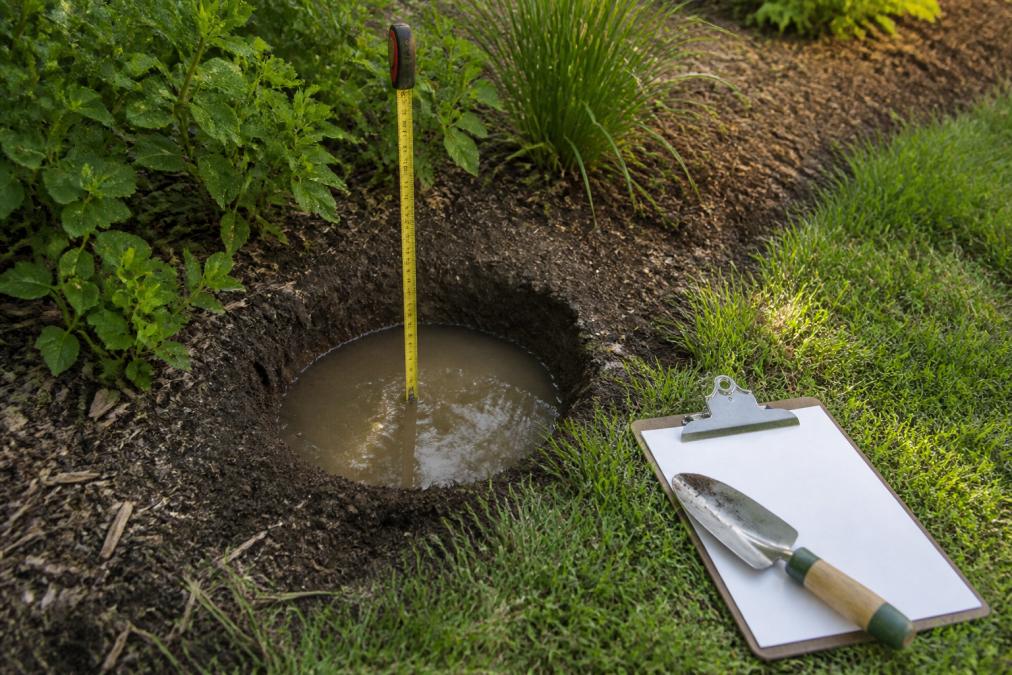
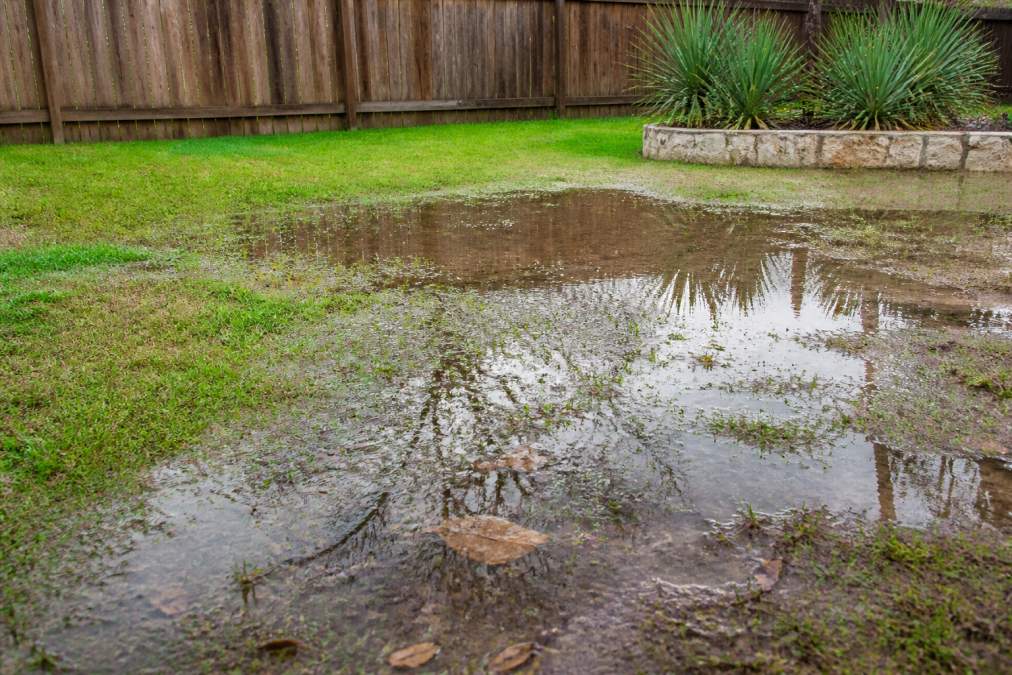
Start with drainage. Dig a hole roughly 30 centimeters deep, fill it with water, and see how long it takes to disappear.
Step 2: Choose Native Texas Plants for Residential Landscaping
The best native Texas plants for residential landscaping are the ones that already thrive in your ecoregion without supplemental water or fertilizer. That is the entire test. If a plant needs coddling, it is the wrong plant.
Keystone Species and Pollinator-Friendly Picks for Small Beds
Keystone species are plants that support a disproportionately large share of local wildlife compared with other species. In Texas, native grasses and long-blooming perennials do the heaviest lifting. A pollinator-friendly bed built around a handful of these will outperform a mixed bed three times its size.
Step 3: Map a Low-Maintenance Native Garden Layout
A low-maintenance native garden layout groups plants by water need, not by color. That one rule eliminates most of the ongoing work, because you stop hand-watering individual plants that sit in the wrong zone.
Focal Points, Hardscape, and Vertical Gardening in Tight Spaces
A focal point gives the eye somewhere to land, which is what separates a designed small yard from a crowded one. A single sculptural native grass, a boulder, or a specimen shrub works. You do not need three.
Step 4: Get Native Plant Spacing and Grouping Right
Native plant spacing and grouping determines whether your garden fills in or thins out. Plant in odd-numbered drifts of three, five, or seven of the same species, and space them at their mature width, not their nursery-pot width.
| Plant Type | Spacing (Mature Width) | Grouping | Best Zone |
|---|---|---|---|
| Native grasses | 45-60 cm | Drifts of 5-7 | Dry, full sun |
| Blooming perennials | 30-45 cm | Drifts of 3-5 | Moderate |
| Groundcover | 20-30 cm | Mass planting | Any |
| Small shrubs | 90-120 cm | Specimen or 3 | Moderate to moist |
Step 5: Check HOA and Municipal Rules Before You Dig
HOA and municipal rules can override your entire plan, so confirm them before you buy a single plant. Many associations have height limits, approved plant lists, and restrictions on hardscape materials. Some municipalities also regulate what you can remove or plant near utility easements.
The 'Cues to Care' Approach: Designing Natives That Read as Intentional
Most HOA pushback against native gardens is not really about the plants, it is about the perception that the yard looks unkempt. Landscape researchers and extension programs describe this as the "cues to care" concept: visible signals that a space is deliberately maintained, even when it is ecologically wild. A native bed with strong cues to care reads as designed; the same plants without them read as neglected.
Cues to care that work in a small yard:
- A defined edge. A crisp mow strip, steel edging, or stone border tells the eye where the bed begins and ends. This single detail resolves more HOA complaints than any plant choice.
- Intentional structure. Repeated drifts, a clear path, and a deliberate focal point signal design rather than abandonment.
- Seasonal tidy-up. Cut back spent stems in late winter, not never. Leaving seed heads through winter is fine; leaving them through June is not.
- A short, legible plant list. When you submit your plan, include botanical names and a one-line note on each plant's wildlife or water benefit. Review boards respond to specifics.
- Front-yard restraint, back-yard freedom. Many homeowners keep the most manicured, lowest-growing natives in the front strip and let the wilder, taller planting live in the back.
Municipal Rules Worth Checking
Beyond HOAs, a few municipal rules commonly affect small-yard native plantings:
- Height ordinances that cap front-yard vegetation, often at 12 to 18 inches, regardless of species.
- Noxious weed lists at the state or county level, some native-adjacent plants appear on these lists in certain jurisdictions, so verify before planting.
- Utility easements where digging or deep-rooted plantings are restricted.
- Stormwater and runoff rules that may actually reward native plantings through rebate or recognition programs.
Step 6: Plan for Water-Wise Irrigation and Year-Round Interest
Water-wise irrigation is about getting new plants established, not watering forever. Native plants need consistent water through their first year, then far less once roots are deep. Drip lines on a timer, zoned to your hydrozones, handle that transition cleanly.
- Run drip tubing on its own zone, separate from any lawn irrigation, so you can shut it off without starving the grass.
- Add a simple battery-operated timer at the spigot if you do not want to trench a full system.
- Mulch 2 to 3 inches deep over the drip line, keeping mulch a few inches off plant crowns to prevent rot.
- Check emitters monthly during the first summer; clogged emitters are the most common cause of "mystery" plant death in new native beds.
Planning for Four Seasons, Not One Bloom
- Evergreen structure: small native evergreens and semi-evergreen shrubs hold the bed's shape when everything else is dormant. In most regions, a native juniper, yaupon, or wax myrtle fills this role.
- Spring bloom: early bloomers feed the first pollinators emerging from dormancy. Think native columbine, penstemon, or coreopsis depending on your ecoregion.
- Summer grasses and long bloomers: warm-season native grasses (little bluestem, muhlenbergia, switchgrass) add movement and texture through the hottest months, while coneflower and rudbeckia carry color.
- Fall and winter: seed heads, dried grass plumes, and colorful stems. Do not cut everything back in October, leave standing seed heads for birds and let them provide winter silhouette. Cut back in late winter or early spring instead.
Common Mistakes to Avoid in Native Garden Design
The biggest mistake in native garden design is treating "native" as a synonym for "no maintenance." Native plants are lower maintenance once established, but the first year still needs watering, weeding, and monitoring.
Other frequent errors:
- Planting one of everything instead of drifts, which looks chaotic and supports less wildlife
- Ignoring invasive species removal before planting, which lets weeds outcompete young natives
- Forgetting microclimate differences, such as a hot south-facing wall versus a shaded north bed
- Choosing native cultivars bred for size or color over straight species that support more insects
Frequently Asked Questions
What is the best layout for a small native garden?
Start with a simple curved or L-shaped bed along your fence line, then layer plants by height: groundcover in front, perennials in the middle, and taller native grasses or shrubs at the back. Leave a clear focal point, like a boulder or specimen plant, and keep paths at least 3 feet wide. Group plants in odd numbers of three or five for a natural look that still feels intentional in a compact space.
How do I space native plants in a small yard?
Check the mature width on each plant tag, not the nursery pot size. Space plants so their mature canopies just touch, which usually means 12 to 18 inches apart for perennials and 24 to 36 inches for shrubs. Tight grouping looks fuller faster and shades the soil, cutting weeds and water loss. In small yards, plant densely in the front and leave breathing room near hardscape and walkways.
Will a native garden look messy or like a desert wasteland?
Not if you design it with structure. Use evergreen native shrubs and ornamental grasses as a year-round backbone, add a hardscape edge to define beds, and repeat two or three plant colors for visual rhythm. Native gardens can look as polished as any traditional landscape when you plan focal points and seasonal interest instead of scattering plants randomly. The result reads as intentional, not overgrown.
Do I need permission before planting a native garden?
Check your HOA covenants and any local ordinances before you dig. Many HOAs restrict plant height, bed placement, or the percentage of turf you can remove, and some cities have rules about parkway strips or protected trees. Request written approval for your plan, keep a copy, and choose native cultivars and groundcovers that fit height limits. Getting approval first prevents costly replanting later.