 ultimate-guide
Sustainable Garden Design for Texas: 2026 Guide
Table of Contents
- Why Sustainable Garden Design for Texas Beats Traditional Landscaping
- Low Water Xeriscaping Ideas for San Antonio Yards
- Native Plants for Texas Landscapes That Thrive Without Constant Care
- Sustainable Irrigation Techniques That Cut Your Water Bill
- Soil Preparation and Mulching for a Climate-Resilient Yard
- Micro-Climate Design for Urban Heat Islands and HOA Compliance
- Budget-Friendly Phased Implementation and Native Plant Pest Management
- Frequently Asked Questions
Last Updated: September 17, 2026
Why Sustainable Garden Design for Texas Beats Traditional Landscaping
Sustainable garden design for Texas is the practice of building a landscape around plants, soils, and irrigation methods that match the region's heat, drought cycles, and soil chemistry instead of fighting them. That approach matters more here than almost anywhere else in the country.
The 70/30 Rule: How Much Turf You Actually Need
Most Texas yards have far more grass than they use. The 70/30 rule flips the ratio: roughly 70% planted beds, native groundcover, and hardscape, with about 30% functional turf for play, pets, or pathways. That single shift cuts mowing, watering, and fertilizing demands dramatically.
Low Water Xeriscaping Ideas for San Antonio Yards
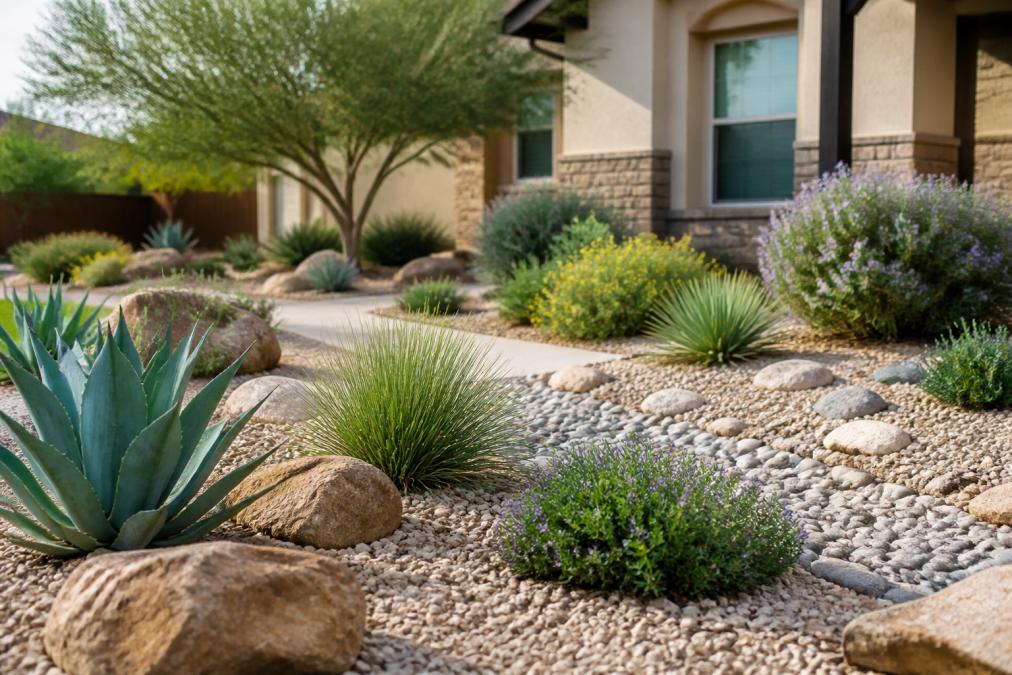
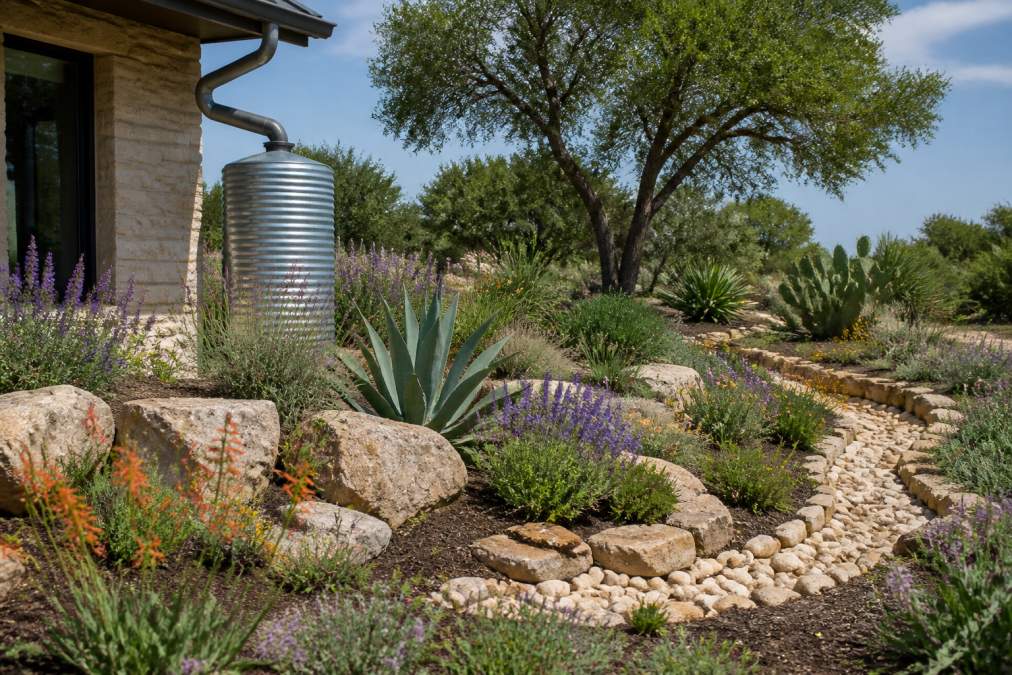
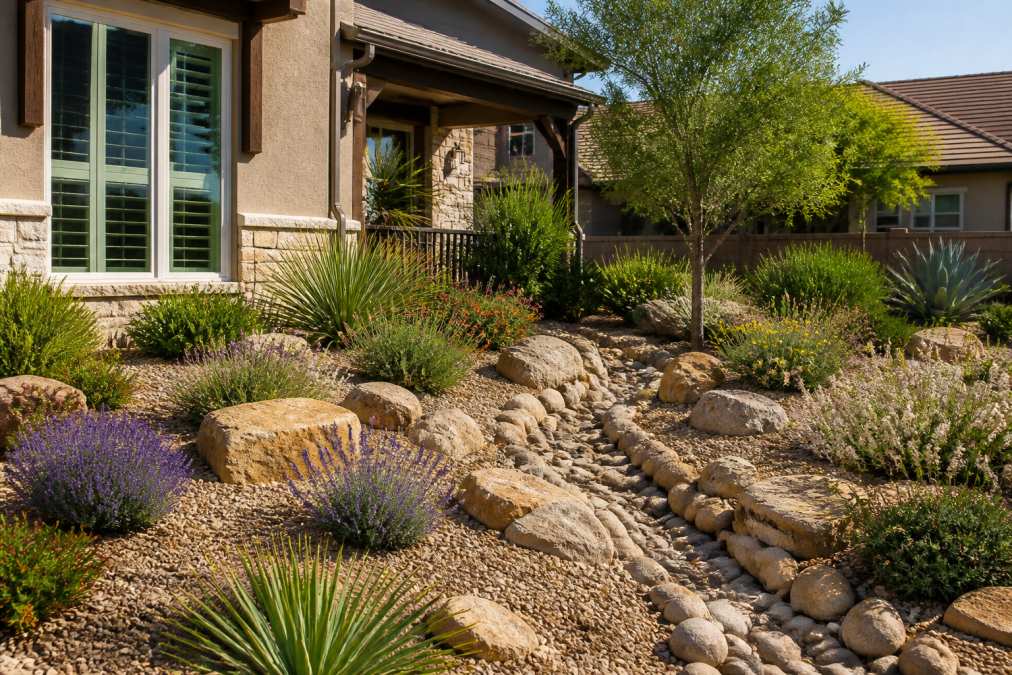
Xeriscaping is not zeroscaping. The most effective low water xeriscaping ideas for San Antonio yards combine gravel mulch, native perennials, decorative boulders, and a dry creek bed that doubles as drainage, and the result should look intentional and full, not barren. The classic seven xeriscape principles still hold: plan and design for the site, improve the soil, limit turf to functional areas, select regionally adapted plants, use efficient irrigation, apply mulch, and maintain the landscape properly.
What Actually Goes in a Low-Water Bed
A workable plant palette mixes three roles so something is always in bloom or in structure:
- Structural anchors: ornamental grasses and evergreen shrubs that hold form through winter
- Seasonal color: native perennials that bloom in rotation from spring through fall
- Groundcover fill: low spreaders that shade soil, suppress weeds, and cut evaporation
Hydrozoning: The Step Most Homeowners Skip
Hydrozoning means grouping plants by water need so you never overwater one zone to satisfy another. A xeric bed on the sunny south side should not share a valve with a shade bed on the north side. When you map zones before you plant, drip irrigation becomes far more efficient and you stop paying to water pavement.
Drainage as a Design Feature
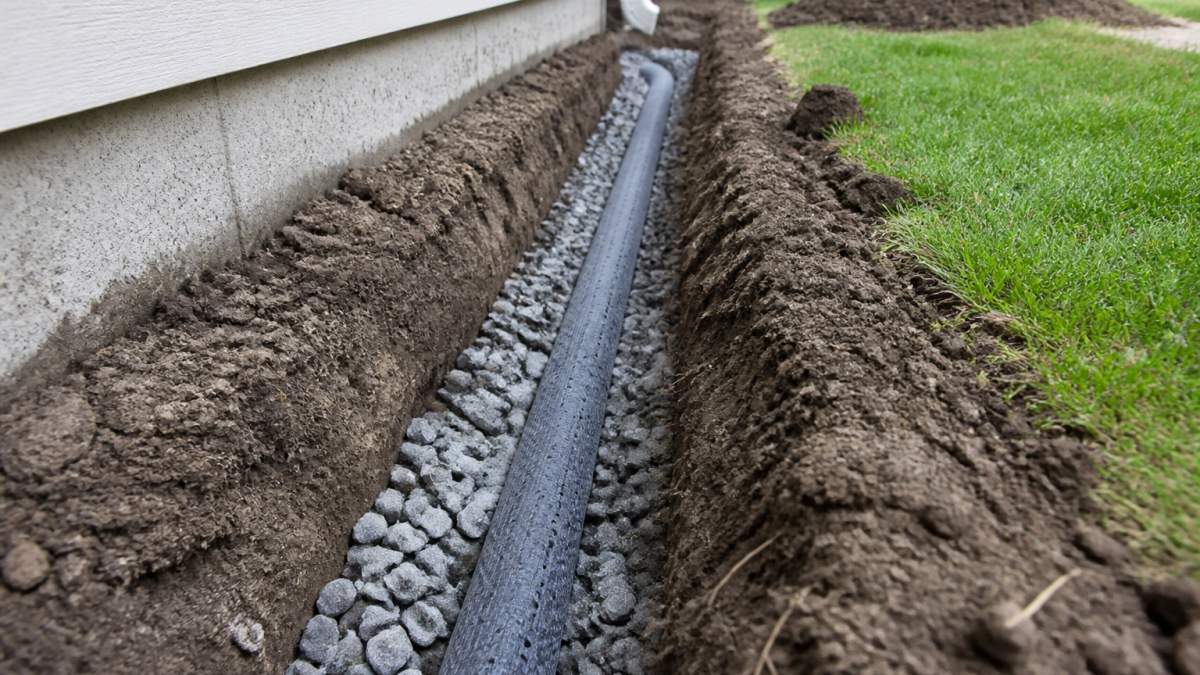
For yards that flood during heavy rain, a dry creek bed is often the difference between a usable patio and a soggy one. Route it along the natural path water takes across your yard, line it with varying stone sizes, and plant the edges with natives that tolerate periodic inundation. The feature reads as landscape design while doing the work of a drainage swale.
Native Plants for Texas Landscapes That Thrive Without Constant Care
The best native plants for Texas landscapes are those adapted to your specific soil and sun exposure, not just the state as a whole. Native perennials, native shrubs, and native trees evolved here, so they tolerate heat, poor soil, and irregular rainfall with minimal intervention.
Canopy, Understory, and Groundcover: Planting in Layers
Layering mimics natural ecosystems. A canopy of native trees shades the understory of native shrubs, which in turn shelters native groundcover. This structure reduces evaporation, cools the soil, and creates pollinator habitat and a functional wildlife corridor.
- Canopy: shade trees that lower ambient temperature
- Understory: flowering shrubs that feed pollinators
- Groundcover: low plants that hold soil and suppress weeds
Sustainable Irrigation Techniques That Cut Your Water Bill
The highest-impact sustainable irrigation techniques are drip irrigation, smart controllers, and hydrozoning, which groups plants by water need so you never overwater one zone to satisfy another. Irrigation efficiency improves when every emitter delivers water to roots, not pavement.
Permeable Hardscaping and Runoff Reduction
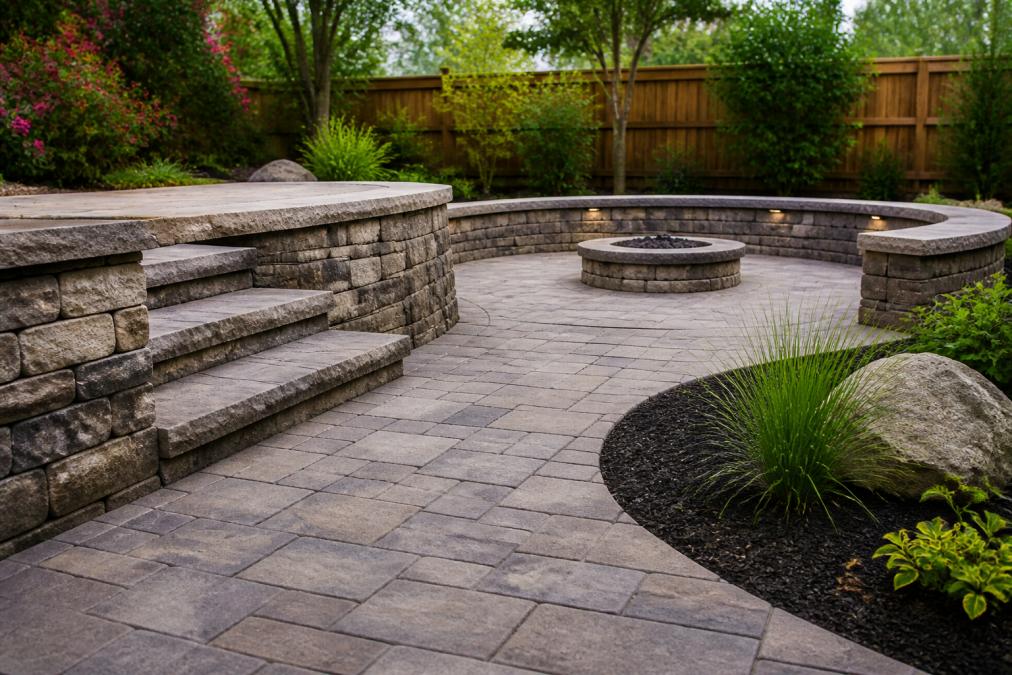
Permeable surfaces let water infiltrate rather than pool. Flagstone set in gravel, permeable pavers, and decomposed granite all reduce runoff while adding hardscape structure. For yards that flood during heavy rain, this is often the difference between a usable patio and a soggy one.
Soil Preparation and Mulching for a Climate-Resilient Yard
Soil preparation is where most DIY landscapes quietly fail. Texas soils range from heavy clay to thin limestone, and both need amendment before planting. A soil amendment such as compost improves drainage in clay and water retention in sand. Mulching over the top holds moisture and moderates soil temperature.
- Test your soil before planting
- Amend with compost to improve structure
- Apply 2-3 inches of mulch, keeping it off trunks
- Replenish mulch each season
Micro-Climate Design for Urban Heat Islands and HOA Compliance
Two problems trip up homeowners more than any others: urban heat and HOA rules. Most guides skip both. Here is how to handle each.
Micro-Climate Design for Urban Heat Islands
Micro-climate design starts by mapping how sun, shade, and reflected heat move across your property over the course of a day. A west-facing wall or a large expanse of pavement can run several degrees hotter than the rest of the yard, so plants there need extra toughness. The practical moves are:
- Shade the west and south exposures first. Afternoon sun drives the most heat gain, so canopy trees on those sides deliver the biggest cooling return.
- Break up hardscape with planted islands. A continuous slab of concrete or asphalt radiates heat back into the yard long after sunset.
- Use reflective or light-colored hardscape where you cannot plant, and choose permeable options so the surface stays cooler and drains.
- Stack layers on the hot side. Canopy, understory, and groundcover together shade the soil, reduce evaporation, and lower ambient temperature more than any single layer can.
HOA Compliance: How to Get a Native Landscape Approved
Many HOAs restrict plant height, turf minimums, or what they loosely call weeds, and native plantings sometimes get flagged. The fix is proactive, not reactive.
- Read the covenants before you design. Look specifically for turf minimums, height limits, and any approved-plant list.
- Submit a labeled plan. Include botanical names, common names, mature heights and widths, and a simple rendering or photo of a comparable landscape.
- Frame it as designed, not wild. Boards respond to structure, defined beds, edged borders, mulch, and intentional hardscape, far better than to a list of unfamiliar plants.
- Offer a maintenance commitment. A short written note that the landscape will be kept edged, mulched, and free of dead material removes the most common objection.
- Ask about a variance or landscape exception. Many covenants allow one, and boards are often more flexible than homeowners assume.
| Problem | Fix | Why It Works |
|---|---|---|
| Urban heat island | Shade trees + reflective hardscape | Lowers ambient temperature |
| HOA plant restrictions | Pre-approved design plan | Avoids violation notices |
| Poor drainage | Dry creek bed + permeable surfaces | Redirects and absorbs runoff |
| Thin or clay soil | Compost amendment | Improves root establishment |
Budget-Friendly Phased Implementation and Native Plant Pest Management
You don't have to rebuild the whole yard at once. A phased approach spreads cost and effort across seasons, and it lets you learn what thrives before committing more. Start with the highest-impact zone: the area you see most and that struggles most with water or drainage.
- Fix drainage and soil in year one
- Plant the canopy and understory in year two
- Add groundcover and mulch in year three
- Refine irrigation and hardscape last
Frequently Asked Questions
What is the 70/30 rule in sustainable gardening?
The 70/30 rule suggests that no more than 30% of your landscape should be traditional turf grass, with the remaining 70% dedicated to native plants, mulched beds, hardscaping, and other water-wise features. This ratio dramatically reduces irrigation needs while maintaining visual appeal. In Texas, where drought conditions are common, following this guideline helps homeowners cut outdoor water use significantly while still keeping a functional, attractive yard.
What are the best native plants for sustainable gardens in Texas?
Top performers include buffalograss, blackfoot daisy, Texas sage, salvia, flame acanthus, and ornamental grasses like muhly grass. These species evolved in local soils and climate, so they need less water, fewer soil amendments, and minimal pest control once established. Native perennials and shrubs also support pollinator habitat and wildlife corridors, adding ecological value beyond curb appeal. A landscape designer can match specific species to your yard's sun, drainage, and soil conditions.
How does xeriscaping reduce water consumption in residential yards?
Xeriscaping replaces thirsty turf with drought-tolerant plants, mulched beds, and efficient irrigation like drip systems. A well-designed xeriscape can cut outdoor water use by 50% or more compared to a traditional lawn. The key is grouping plants by water needs, amending soil to hold moisture, and using mulch to reduce evaporation. Permeable hardscaping and runoff reduction features further improve irrigation efficiency by keeping water on your property instead of sending it to the street.
How can I improve soil health for a sustainable landscape?
Start with a soil test to check pH, nutrients, and organic matter. Most Texas soils benefit from compost, which improves both drainage and water retention. Avoid tilling native soil excessively; instead, layer compost on top and let earthworms and microbes work it in. Mulching with organic material like shredded hardwood or pine straw protects soil structure, reduces runoff, and feeds beneficial organisms. Healthy soil means plants need less fertilizer and irrigation over time.
What are the benefits of using permeable hardscaping in garden design?
Permeable surfaces like flagstone with gravel joints, permeable pavers, and crushed granite allow rainwater to soak into the ground instead of running off. This reduces flooding, recharges groundwater, and lessens the burden on storm drains. In areas with heavy clay soil, pairing permeable hardscape with a dry creek bed or rain garden captures runoff and directs it to planted areas. The result is a landscape that handles heavy rain while looking polished and intentional.
How do I choose the right mulch for water retention?
Coarse organic mulches like shredded hardwood, pine bark, and pine straw are best for water retention because they allow water to penetrate while slowing evaporation. Apply a 2- to 3-inch layer, keeping it a few inches away from plant stems and tree trunks to prevent rot. Gravel mulch works well around succulents and xeric plants but does not add organic matter. Replenish mulch annually to maintain its benefits for soil health and irrigation efficiency.
A sustainable landscape is a long-term project, not a weekend fix, and the practical hurdles of budget, HOA rules, and drainage are exactly where most homeowners get stuck. At Lawnscapingsa.com, we handle that for you: individualized landscape design plans, native and well-adapted Texas plants, and full installation from consultation to finished yard. Contact us to start your landscape design and get a plan built around your property's real conditions.