 ultimate-guide
French Drain Installation Cost: What Drives the Price
Table of Contents
- What Is a French Drain and How Does It Work?
- French Drain Cost Breakdown: Materials and Labor
- Factors Affecting Drainage System Pricing
- DIY vs Professional Drainage Installation
- How to Fix Backyard Drainage Issues
- Permits, Code Compliance, and Long-Term Maintenance Costs
- Frequently Asked Questions
Last Updated: September 30, 2026
What Is a French Drain and How Does It Work?
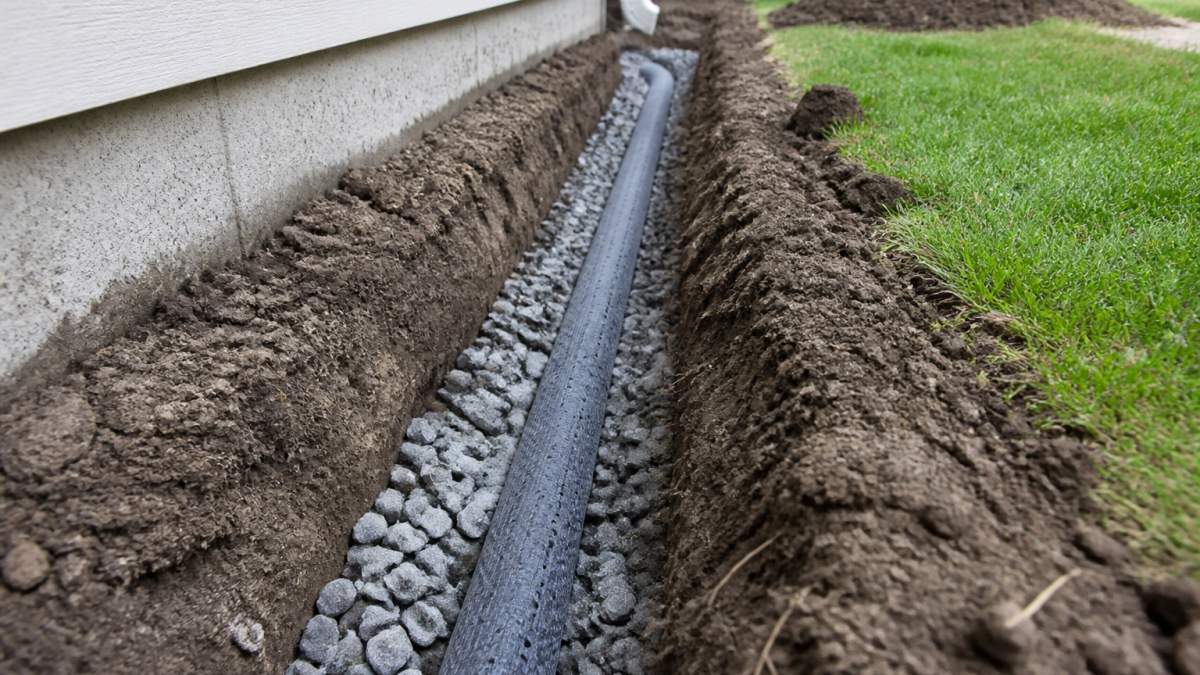
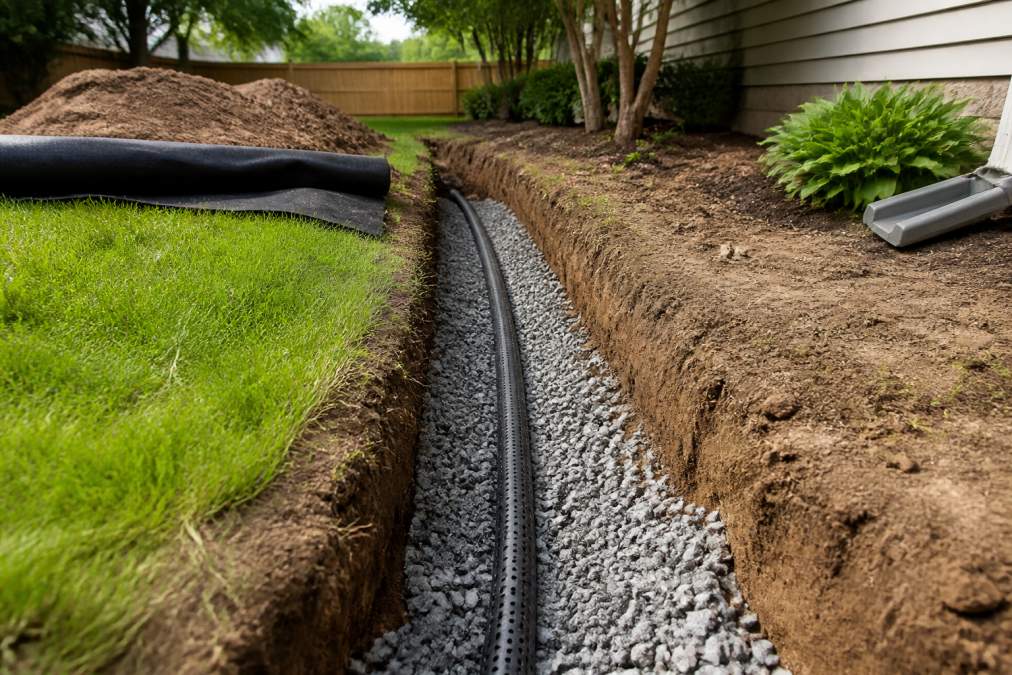
A French drain is a gravel-filled trench containing a perforated pipe that redirects surface water and groundwater away from a foundation or low-lying yard area. Water enters through the gravel, flows into the perforated pipe, and exits at a discharge point downhill from the problem zone.
Understanding this matters because the cost to install a french drain system depends almost entirely on how much digging, pipe, and stone your specific site demands. A short run across a flat lawn looks nothing like a deep perimeter trench around a foundation.
Here's the part most guides skip: a French drain is a water-management system, not a landscaping accessory. If the discharge point is wrong, the whole investment fails. We've watched homeowners pay for a trench that simply moved water from one soggy corner to another because nobody checked the grade first.
How French Drains Work
Water follows gravity. A properly graded trench, typically sloped toward the discharge point, collects groundwater through perforated pipe and geotextile fabric that keeps soil from clogging the system. The pipe carries water to a drainage basin, a pop-up emitter, or a downhill exit point.
Three components do the heavy lifting:
- Perforated pipe (PVC or corrugated) collects and channels water
- Drainage aggregate surrounds the pipe and filters sediment
- Filter sock or geotextile fabric prevents fine soil from silting up the gravel
Get the slope wrong by even a small margin and water sits in the pipe instead of leaving. That's hydrostatic pressure building where you least want it.
French Drain Cost Breakdown: Materials and Labor
Most of your french drain cost splits between two categories: materials and labor. Materials are predictable per unit but scale with trench volume. Labor is where estimates swing wildly, because excavation difficulty varies from yard to yard.
A common mistake is budgeting only for the visible parts. The pipe and gravel are cheap compared to the machine time, hauling, and disposal fees that come with digging a trench through established landscaping. On a typical residential run, excavation and disposal can account for more of the total than the pipe, aggregate, and fabric combined.
Materials That Affect Your French Drain Cost
Material pricing depends on pipe type, trench length, and how much drainage aggregate the run requires. Longer trenches and deeper cuts multiply every line item.
The core materials include perforated pipe, filter sock, geotextile fabric, drainage aggregate, and any drainage basin or emitter at the discharge end. Corrugated pipe costs less upfront; rigid PVC pipe holds its shape better under heavy soil loads and resists crushing.
Here's what most quotes don't itemize clearly:
| Material | What It Does | Cost Driver |
|---|---|---|
| Perforated pipe | Collects and moves water | Pipe type and total length |
| Drainage aggregate | Filters and supports pipe | Trench volume |
| Geotextile fabric | Blocks soil migration | Square footage of trench |
| Filter sock | Wraps pipe against silt | Linear feet of pipe |
| Drainage basin | Collects water at low point | Whether one is needed |
A 4-inch perforated pipe is the residential standard. The trench around it typically runs 12 to 18 inches wide and 18 to 24 inches deep for yard drainage, deeper for foundation perimeter work. That means every linear foot of trench consumes roughly 1.5 to 2.5 cubic feet of drainage aggregate. On a 100-foot run, that's several cubic yards of stone alone, plus the fabric to wrap it and the pipe to drain it.
Labor Rates and Excavation Expenses
Labor typically represents the largest single share of a professional installation. Excavation, trench depth, soil type, and access all feed into the final number.
Trenching through rocky or clay-heavy ground takes longer and wears equipment faster than cutting through loose sand. Tight side-yard access may rule out a trencher entirely, forcing hand digging at a much higher hourly cost. That single factor can change a quote more than any material choice.
Disposal is the line item homeowners forget. Excavated soil has to go somewhere. If it can't be spread on-site, it gets hauled away, and hauling fees scale with volume and distance. A deep foundation drain can generate enough spoil to require multiple truckloads.
Here's a practical way to think about the labor swing: a shallow yard run in sandy soil with open access might take a crew a single day. The same linear footage through clay, around a foundation, with a fence and mature plantings in the way, can stretch to three or four days. Same pipe, same stone, very different invoice.
Factors Affecting Drainage System Pricing
Site conditions drive pricing more than any product choice. Two yards of identical size can produce quotes that differ substantially once soil, slope, and water table enter the picture.
The biggest mistake homeowners make is comparing quotes without comparing scope.
Soil Composition and Site Conditions
Clay soil holds water and drains slowly, which usually means a wider trench and more aggregate to handle the volume. Sandy or loamy soil drains faster and often needs less material.
Trench Depth, Width, and Discharge Point
Deeper and wider trenches cost more because they move more dirt and require more aggregate to backfill. Trench depth is set by frost lines, foundation depth, and how far down the water table sits.
DIY vs Professional Drainage Installation
DIY vs professional drainage installation comes down to trench length, soil difficulty, and how much risk you're willing to carry. A short, shallow run in soft soil is a realistic weekend project. A deep foundation perimeter drain is not.
How to Fix Backyard Drainage Issues
Fixing backyard drainage issues starts with finding where water actually collects and where it needs to go. Most soggy yards have one or two real problem zones, not a whole-property failure.
A practical sequence for diagnosing and correcting the problem:
- Watch your yard during a heavy rain and note where water pools and how long it lingers
- Check that gutters and downspouts discharge well away from the foundation
- Verify the grading slopes away from the house, not toward it
- Identify a viable discharge point downhill from the problem area
- Decide whether surface runoff or groundwater is the real culprit
Permits, Code Compliance, and Long-Term Maintenance Costs
Permitting and maintenance are the two costs homeowners forget, and both can surprise you later. Most guides stop at the install price. The real ownership cost includes what you pay to keep the system working and what you pay if you skipped a required approval.
When a Permit Is Actually Required
Not every French drain needs a permit. A shallow yard drain that discharges onto your own graded property often falls outside permitting entirely. The trigger points are usually these:
- Connection to a municipal storm system. Tying your drain into a storm sewer or curb inlet almost always requires approval, because you're adding flow to public infrastructure.
- Grading changes near property lines. If your trench alters how water leaves your lot and crosses onto a neighbor's, many jurisdictions want a drainage plan on file.
- Wetland or floodplain proximity. Work near regulated waters or a mapped floodplain can pull in additional review.
- Homeowner association rules. Even where the city doesn't require a permit, an HOA covenant often restricts drainage alterations and discharge points.
Long-Term Maintenance Costs
The install price is the entry fee. Maintenance is the ongoing cost, and it's modest if the system was built right.
Plan for:
- Annual inspection of the discharge point for blockages, root intrusion, and settling
- Debris clearing from the basin or emitter after heavy storms and fall leaf drop
- Occasional jetting or flushing if flow slows noticeably, which typically runs a service call rather than a full replacement
- Filter fabric replacement only if the original was omitted or degraded, which is the expensive scenario because it means re-excavating
Frequently Asked Questions
What are the primary factors that influence French drain installation costs?
The biggest drivers are trench depth and length, soil type, and labor rates in your area. Rocky or clay-heavy soil requires more excavation time and may need special equipment. Deeper trenches, longer runs, and distant discharge points all add to the french drain cost. Permits, if required by your municipality, and long-term maintenance also factor into the total investment.
How do professional installation costs compare to DIY methods?
DIY drainage installation can save on labor, but you will still pay for materials like perforated pipe, geotextile fabric, drainage aggregate, and possibly rental equipment for excavation. Professional installation includes labor, site assessment, proper grading, and a warranty. If you lack experience with trench depth, slope, and discharge planning, a professional can prevent costly mistakes that would erase any DIY savings.
How deep does a French drain need to be buried?
Depth depends on your goal. To capture surface runoff, a shallow trench of 12 to 18 inches often works. To address hydrostatic pressure and groundwater, you may need to go 24 to 36 inches deep or more, depending on the water table. A deeper trench increases excavation and material costs. A professional can assess your soil saturation and grading to recommend the right depth.
Are French drains worth the money?
For many homeowners, yes. A French drain can redirect surface runoff and groundwater away from your foundation, reducing the risk of basement flooding, soil erosion, and foundation damage. The cost to install a french drain system is often less than repairing water damage. However, if your drainage issue is minor, cheaper alternatives like downspout extensions or regrading may suffice.