 ultimate-guide
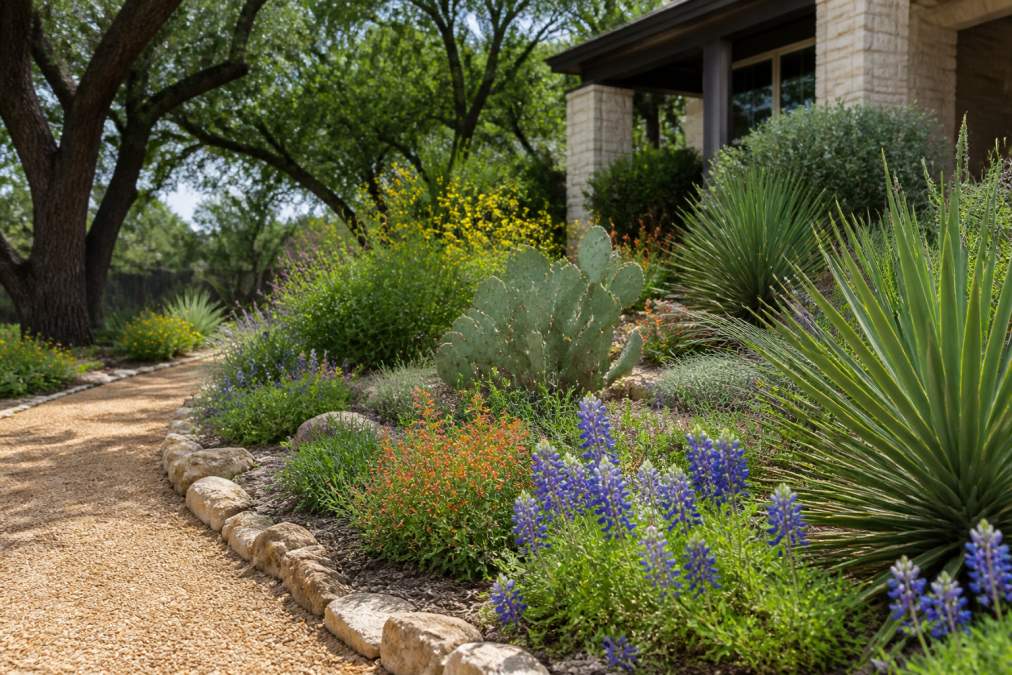
Native Texas Plants for Residential Landscaping
Table of Contents
- Why Native Texas Plants Transform Your Landscape
- Drought-Tolerant Native Plants That Thrive Year-Round
- Low-Maintenance Native Shrubs for Every Garden
- Pollinator-Friendly Landscaping With Native Wildflowers
- Native Plant Garden Design Ideas for Your Home
- Water Conservation and Erosion Control Benefits
- Getting Started With Your Native Plant Landscape
- Frequently Asked Questions
Last Updated: September 3, 2026
Why Native Texas Plants Transform Your Landscape
Native Texas plants are the foundation of a landscape that thrives with minimal intervention. When you select native plants for residential landscaping, you're making a choice that pays dividends in water savings, lower maintenance demands, and genuine beauty that evolves with the seasons.
The difference between a landscape that fights against its environment and one that works with it comes down to plant selection. Native plants have adapted over centuries to Texas's specific soil, climate, and water patterns. They survive our droughts, handle our clay soils, and thrive in our intense sun. A landscape built on this foundation requires less water, fewer chemical inputs, and far less ongoing labor than one filled with plants never meant to grow here.
Drought-Tolerant Native Plants That Thrive Year-Round
Drought tolerance isn't marketing language when it comes to native Texas plants. These species have root systems engineered by nature to find and retain moisture in challenging conditions. The fibrous root systems of native grasses penetrate deep into the soil, accessing water far below the surface where it remains available even during dry spells.
Native Trees for Structure and Shade
Texas native trees establish the backbone of your entire landscape design. Live oak, bald cypress, and Texas ash handle full sun, partial shade, and variable moisture with equal competence. Live oak develops a broad, spreading canopy that filters harsh afternoon sun while maintaining an open yard feel. Bald cypress offers year-round interest with feathery foliage that turns bronze in fall before dropping, then returns bright green in spring.
Texas redbud adds ornamental value with magenta flowers in early spring, followed by heart-shaped leaves that turn golden in fall. Mountain laurel delivers fragrant purple blooms suited to rocky, limestone-heavy soils. Escarpment black cherry provides wildlife value through its small black fruits while tolerating both wet and dry conditions.
Success with native trees depends on matching the species to your specific soil type and sun exposure. A live oak thrives in full sun and well-draining soil. Bald cypress prefers areas with occasional moisture. Mexican buckeye performs best in rocky, limestone-based soils with excellent drainage. Matching plants to conditions is where professional landscape design separates good yards from exceptional ones.
Native Grasses and Ground Covers
Native grasses and ground covers create texture, movement, and erosion control that traditional lawn cannot match. Big bluestem and little bluestem form dense clumps that turn deep purple and burgundy in fall. Sideoats grama offers fine-textured foliage with delicate seed heads. Buffalo grass, native to Texas prairies, creates a low, dense ground cover requiring minimal water once established.
Autumn sage and esperanza work as both ground covers and accent plants, offering consistent blooms from spring through first frost. These plants establish quickly, spread naturally, and require no supplemental water after their first growing season. They also support pollinators throughout the blooming period, attracting butterflies and native bees essential to any thriving landscape.
Native grasses outperform traditional turf by design. They don't demand constant water input. They don't require regular fertilizer applications. Once established, they largely manage themselves while providing habitat value that traditional grass cannot.
Low-Maintenance Native Shrubs for Every Garden
Native shrubs bridge the gap between trees and ground covers, creating the layered structure that defines professional landscape design. Agarito produces fragrant yellow flower spikes in spring followed by blue berries that persist into winter. Possumhaw offers fine-textured foliage and bright red berries that birds depend on. Texas privet delivers dense screening with delicate white flowers and a natural habit.
Cenizo (also called purple sage) performs exceptionally well in hot, sunny locations with poor soil. Its magenta, pink, or white flowers appear after summer rains, creating sudden bursts of color that signal the plant's drought-tolerance strategy. Flame acanthus provides similar reliability with orange-red flowers and low water needs.
For shaded areas, native Texas privet and yaupon holly offer structure and seasonal interest. Yaupon holly produces small red berries on female plants and tolerates both wet and dry conditions. These shrubs require minimal pruning beyond occasional shaping. They don't demand fertilizer, rarely suffer pest pressure, and integrate naturally into a native plant landscape.
Pollinator-Friendly Landscaping With Native Wildflowers
Pollinator-friendly landscaping is the natural outcome of planting species that evolved alongside native bees, butterflies, and hummingbirds. Bluebonnet, Indian blanket, and black-eyed Susan create wildflower displays that define Texas landscapes while providing essential nectar and pollen sources.
Salvia species offer consistent blooms and exceptional pollinator value. Gregg's salvia produces tubular red flowers that hummingbirds cannot resist. Autumn sage blooms from spring through frost in shades of red, pink, coral, and white. Mealy sage delivers soft blue flowers and fine-textured foliage. Each species attracts different pollinator species, creating a diverse ecosystem within your yard.
Lantana, though sometimes considered semi-native, has naturalized throughout Texas and performs exceptionally well in heat and drought. Its clustered flowers in red, orange, yellow, pink, and white combinations attract butterflies throughout the growing season. Verbena bonariensis provides tall, airy stems with purple flowers that create movement and lightness.
The ecological value of pollinator-friendly native plants extends beyond aesthetics. You're creating habitat for insects that pollinate food crops, maintain native plant populations, and form the base of the food chain that supports birds and wildlife. A landscape filled with native wildflowers becomes a living ecosystem rather than a static arrangement of plants.
Native Plant Garden Design Ideas for Your Home
Effective native plant landscape design follows principles that create visual interest while respecting the ecological function of the plants. Layering, combining trees, shrubs, perennials, grasses, and ground covers at different heights, creates depth and movement. This mirrors how native plant communities organize themselves in nature.
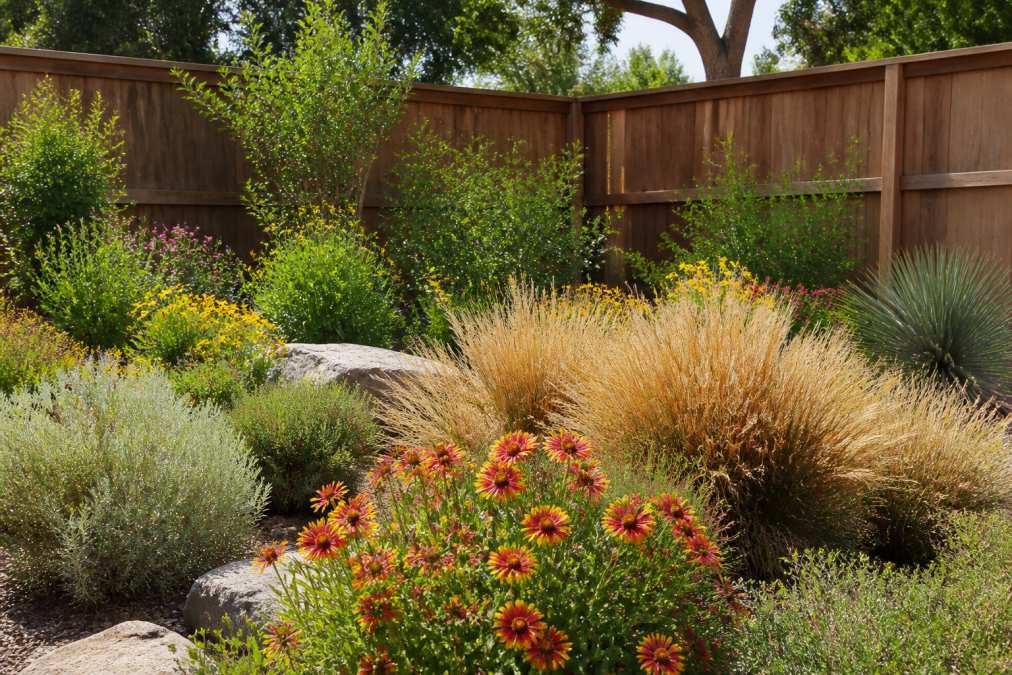
Start with the largest elements, your native trees, positioned to provide shade and structure. Layer shrubs in front of and between trees, creating visual interest and screening. Use native grasses and wildflowers in the foreground, where their movement and seasonal color changes become focal points. This approach creates a landscape that looks intentional and professional while requiring minimal ongoing intervention.
Color coordination in native plant landscapes differs from traditional design. Rather than forcing complementary colors, let the plants' natural color transitions guide your choices. Spring brings magenta redbud and blue sage. Summer offers purple and burgundy tones of native grasses and bright orange of flame acanthus. Fall delivers golden foliage of Texas ash and deep burgundy of bluestem. Winter reveals the landscape's structure and persistent berries of possumhaw and yaupon holly.
Repetition creates cohesion. Rather than using one of each plant type, repeat species in groups of three, five, or seven. This massed planting approach creates visual rhythm, establishes plants faster, and makes the landscape feel intentional rather than scattered.
Matching Plants to Your Soil Type
Soil type determines which native plants will thrive without amendment or extra care. Texas soils vary dramatically, from sandy loam to heavy clay, with limestone bedrock in many regions. Matching plants to your actual soil type is critical. Planting acid-loving plants in alkaline soil or drought-tolerant species in poorly-draining clay leads to slow decline regardless of water or fertilizer applications.
Clay soils, common throughout much of Texas, require plants with tolerance for heavy, compacted conditions. Possumhaw, Texas privet, and live oak handle clay effectively. Esperanza and esperanza sage thrive in clay.
Limestone soils, particularly in Central Texas, favor plants that tolerate alkaline conditions. Mountain laurel, Texas redbud, and Escarpment black cherry evolved in limestone regions and perform exceptionally well. Cenizo and flame acanthus handle limestone without hesitation.
Sandy soils drain quickly and require plants with deep root systems that access moisture below the surface. Big bluestem, sideoats grama, and Texas ash excel in sandy conditions. Esperanza and cenizo handle sandy soils beautifully.
Professional landscape design includes soil testing to determine your specific conditions. Different areas of your yard may have different soil types. Matching plants to these micro-conditions creates a landscape where every plant thrives.
Seasonal Maintenance Schedules
Native plant landscapes require maintenance, but it differs fundamentally from traditional landscape care. Rather than constant pruning, fertilizing, and watering, native plant care follows seasonal patterns aligned with the plants' natural growth cycles.
Spring maintenance focuses on cleanup and establishment. Remove any dead wood from winter. Cut back ornamental grasses to 4-6 inches above ground before new growth emerges. Apply mulch around new plantings to conserve moisture and suppress weeds. Water newly planted trees and shrubs weekly for the first month, then gradually reduce frequency as the root system develops.
Summer maintenance centers on monitoring and selective watering. Check new plantings weekly; if the top inch of soil is dry, water deeply. Once plants are established, reduce watering dramatically. Native plants evolved to handle Texas summers; excessive water often causes more problems than drought stress. Deadhead wildflowers to encourage continued blooming.
Fall brings visible changes. As temperatures cool, native plants shift resources underground, preparing for winter dormancy. Reduce watering further; most established plants need no supplemental water by fall. Resist cutting back perennials and grasses in fall; they provide winter structure, wildlife habitat, and protection for the plant's crown.
Winter is the season for major pruning and structural work. Prune native trees and shrubs while dormant and the plant's structure is visible without foliage. This is when you remove crossing branches, shape dense shrubs, or remove lower branches for clearance. Winter is also ideal for planting new trees and shrubs; cooler temperatures reduce transplant shock.
Water Conservation and Erosion Control Benefits
The water conservation benefits of native Texas plants extend far beyond individual landscapes. A landscape built on native plants uses a fraction of the water required by traditional turf and ornamental plantings. This translates directly to lower water bills and reduced strain on municipal water supplies, particularly critical during drought periods.
Native plants' deep root systems address erosion control that surface-level solutions cannot match. The fibrous roots of native grasses bind soil particles together, preventing water runoff during heavy rain. On slopes, native grasses and shrubs stabilize soil far more effectively than turf or hardscape. This becomes particularly valuable in yards with drainage challenges or in areas prone to erosion.
The soil retention benefits accumulate over time. A landscape with established native plants loses minimal soil during heavy rain events. Mulch and plant cover slow water movement, allowing it to infiltrate rather than run off. This reduced runoff protects downstream properties and reduces sediment load in local waterways.
Getting Started With Your Native Plant Landscape
Beginning a native plant landscape doesn't require replacing your entire yard immediately. Many successful landscapes develop gradually, with new plantings added over seasons or years. This approach allows you to learn which plants perform best on your property and to observe how the landscape evolves.
Start by assessing your existing conditions. Spend a season observing sun and shade patterns, noting where water collects during rain and where it drains quickly. Identify your soil type. Observe which areas stay moist and which dry out rapidly. This information guides every subsequent planting decision.
Select a small area, perhaps a corner of your yard or a foundation planting, to begin your native plant conversion. Research plants suited to that specific area's conditions. Visit local native plant nurseries to see mature specimens and ask questions about establishment and care.
Plant in groups rather than scattered individual specimens. Three to five plants of the same species create visual impact and establish faster than isolated plants. Space plants according to their mature size, not their current size.
Water newly planted trees and shrubs consistently through their first growing season. This establishes the root system that will later access deep soil moisture. Once plants are established, reduce watering dramatically. Most native plants require little to no supplemental water after their first year, except during severe drought.
Creating a landscape with native Texas plants is an investment in beauty, sustainability, and long-term property value. The initial design and installation require thoughtful planning, but the years of reduced maintenance, lower water bills, and ecological benefits justify the investment many times over.
At Lawnscapingsa.com, we help property owners throughout the San Antonio area design and install native plant landscapes tailored to their specific properties and preferences. Our team brings extensive experience working with native Texas plants, understanding local soil conditions, and creating landscapes that thrive. If you're ready to transform your yard into a beautiful, water-wise native plant landscape, contact us for a personalized design consultation.
Frequently Asked Questions
What are the best native Texas plants for residential landscaping?
The best native Texas plants depend on your region and soil type, but popular choices include Texas sage, esperanza, native grasses like sideoats grama, and flowering perennials such as black-eyed Susan and purple coneflower. Trees like live oak and cedar elm provide structure, while shrubs like agarito and Texas privet offer screening and wildlife habitat. A professional landscape designer can recommend species suited to your specific hardiness zone and soil conditions.
How do native plants reduce water usage in residential landscapes?
Native plants have adapted to local rainfall patterns and soil conditions over centuries, requiring significantly less supplemental watering than non-native species. Their fibrous root systems absorb water efficiently, while their natural hardiness means they thrive during droughts without extra irrigation. This water-wise approach, called xeriscaping, can reduce landscape water consumption compared to traditional lawns and ornamental plantings.
What are some low-maintenance native shrubs for home gardens?
Low-maintenance native shrubs include Texas privet, agarito, fragrant sumac, and possumhaw. These plants require minimal pruning, resist common pests and diseases, and establish quickly once planted. They thrive in various soil types and sun exposures, making them ideal for homeowners seeking attractive landscaping without constant upkeep. Pairing them with native ground covers reduces overall garden maintenance.
Are native plants better for local pollinators?
Yes, native plants are essential for supporting local pollinators like bees, butterflies, and hummingbirds. Native wildflowers, flowering perennials, and shrubs provide the nectar and pollen these species depend on for survival. A pollinator-friendly landscape with native plants creates a thriving ecosystem while adding beauty and biodiversity to your property. Many native species bloom at different times, ensuring food sources throughout the growing season.
When is the best time to plant native species in Texas?
Fall and early spring are ideal planting windows for native Texas plants. Fall planting allows plants to establish roots before winter dormancy, while spring planting lets them settle in before summer heat. Avoid planting during extreme heat or drought stress. Native trees and shrubs planted during these seasons require less supplemental watering and establish stronger root systems than those planted in summer.
How do I design a residential landscape using native Texas plants?
Start by assessing your site's sun exposure, soil type, and drainage patterns. Group plants by water needs and create layers using trees for height, shrubs for mid-story structure, and perennials or grasses for ground-level color. Choose native species that match your hardiness zone and soil conditions. Consider seasonal blooming schedules to ensure year-round visual interest. Professional landscape design services can provide a customized plan tailored to your property's unique characteristics and your aesthetic preferences.
This article was written using GrandRanker